
Shofar Becomes Defining Sound of Jewish New Year Celebrations
The article explores how the shofar, a curved animal horn, has become central to Rosh Hashanah, the Jewish New Year. It details the instrument's biblical origins, its use as a call to attention and a spiritual wake-up call, and its…

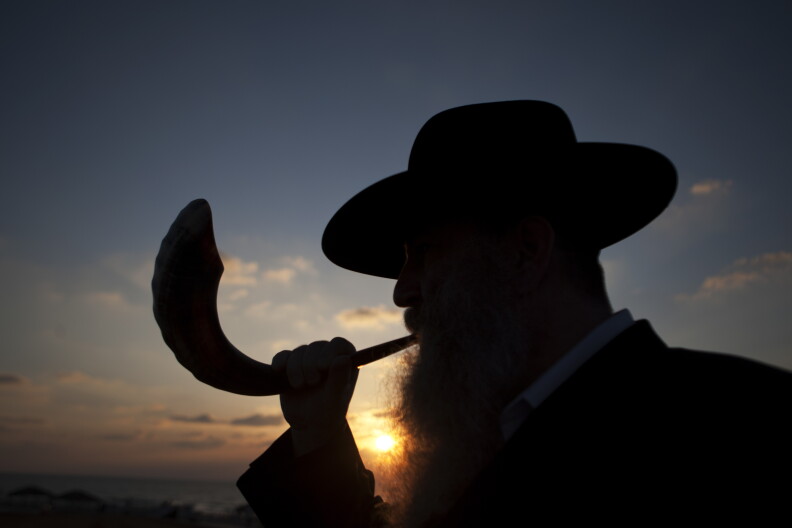
 Los Angeles, CA, September 13, 2026 — The shofar, a distinctive instrument crafted from a curved animal horn, is increasingly recognized as the central sound of Rosh Hashanah, the Jewish New Year. This ancient ram’s horn plays a pivotal role in the holiday’s observances, resonating with deep historical and spiritual significance for participants.
The origins of the shofar are rooted in biblical tradition. Throughout religious texts, the blowing of the shofar is described as a powerful signal, historically used to announce significant events, rally troops, or mark solemn occasions. Its ceremonial use during Rosh Hashanah has evolved into a core practice, making it intrinsically linked to the holiday’s identity.
Beyond its historical function, the shofar serves as a potent call to attention and a spiritual wake-up call for observers. The piercing, often jarring, sound is intended to awaken individuals from complacency, prompting introspection and a re-evaluation of spiritual and ethical standings as the new year begins. It encourages a heightened sense of awareness and a renewed commitment to religious and moral principles.
Symbolically, the shofar’s meaning is multifaceted. It is often interpreted as representing a mother’s cry, evoking feelings of vulnerability and the deep, primal connection between parent and child. Another significant interpretation suggests the shofar’s blast serves as a call to reconnect with one’s ancestors, bridging generations through sound and shared heritage. These varied interpretations contribute to the shofar’s profound impact during Rosh Hashanah.
Collectively, these elements — its biblical lineage, its function as an alert, and its rich symbolic meanings — establish the shofar not merely as a musical instrument, but as the defining auditory experience of the Jewish New Year, marking the holiday with its unique and resonant voice. The specific type of animal horn used, or the precise method of its preparation, were not detailed in the information provided. The duration of the shofar’s use throughout the Rosh Hashanah observance also remains a point for further exploration.
Story summarized from the original created by Deena Prichep | NPR on laist.com, see more information here.
Media gallery


