Experts Vote 8–0 Against Phones and Tablets in Children’s Bedrooms Overnight
Children and Screens Evidence Council finds strong consensus against allowing devices in children's bedrooms overnight

Press Release Disclaimer: This is a press release distributed through the XPR Media network. It has not been independently verified by our newsroom.
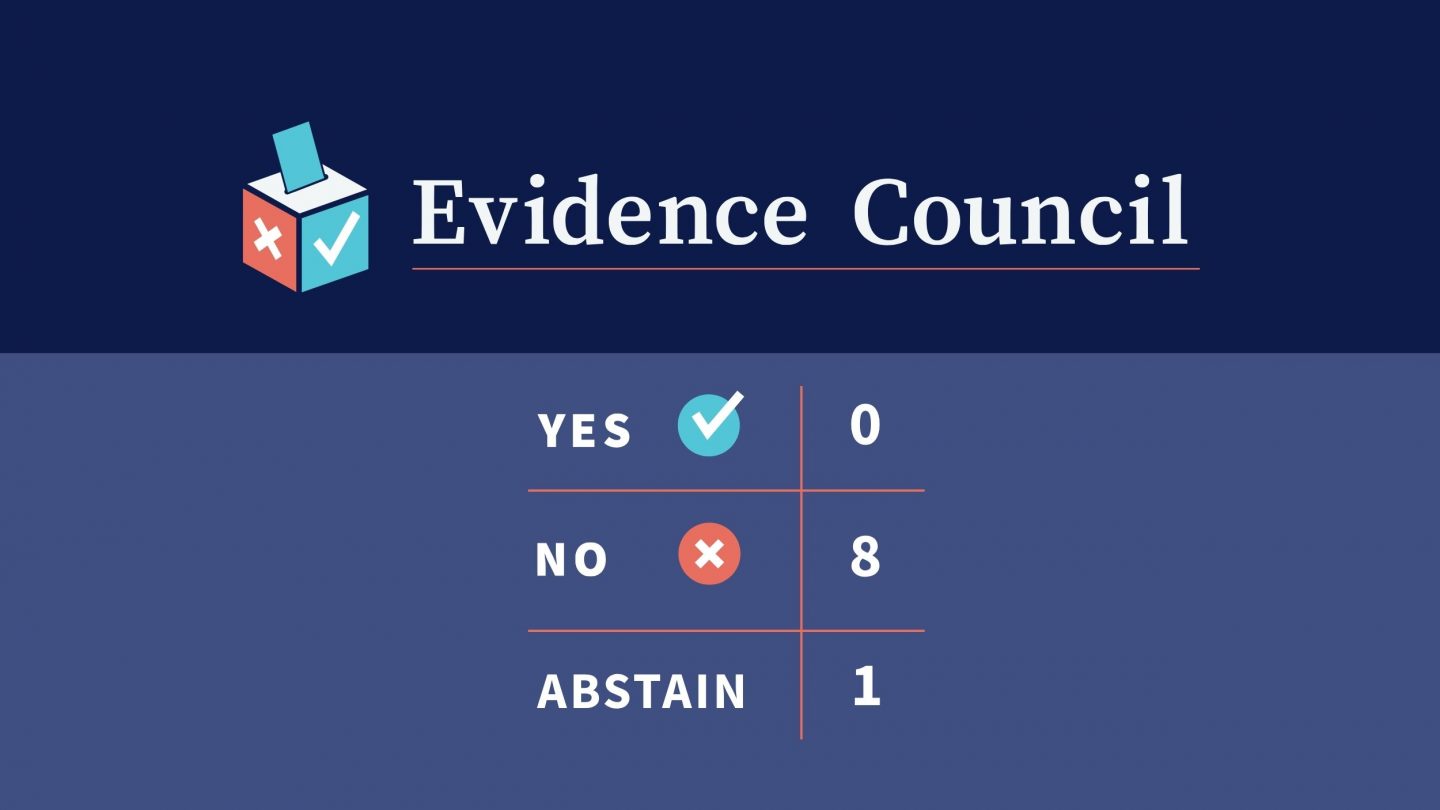

Children and Screens Evidence Council finds strong consensus against allowing devices in children’s bedrooms overnight
NEW YORK, NY, UNITED STATES, September 1, 2026 /EINPresswire.com/ — Children and Screens Evidence Council reaches its strongest consensus yet, citing disrupted sleep, compulsive checking and heightened nighttime vulnerability; one member abstains.
Eight leading child development and mental health experts agree that phones and tablets should stay out of children’s bedrooms overnight, citing concerns that extend from disrupted sleep to compulsive use, developing self-control and increased vulnerability to unhealthy digital experiences late at night.
In its latest vote-based position, the Children and Screens Evidence Council voted 8–0 against allowing handheld smart devices in children’s bedrooms overnight, with one member abstaining. No Council member voted in favor. Read the full report HERE.
“For many families, the question of where a child’s phone sleeps may seem small, but the evidence suggests it can have meaningful consequences,” said Kris Perry, Executive Director of Children and Screens. “Last week’s historic social media addiction settlement emphasized the need to address platform designs that disrupt children’s opportunity for uninterrupted rest. Keeping phones and tablets out of the bedroom creates protected time for sleep and disconnection at a point in the day when children and teens may be least equipped to resist the pull of highly engaging technology.”
Council members identified several reasons for keeping phones and tablets outside children’s bedrooms overnight:
• Sleep disruption: Screen use can delay bedtime, displace sleep and interrupt restorative sleep through notifications, alerts and nighttime checking.
• Effects on mental, cognitive and physical health: Sufficient sleep is essential during childhood and adolescence, with consequences for emotional well-being, learning, attention and physical health.
• Compulsive use and developing self-control: Children and adolescents are still developing the ability to regulate their behavior, while social media, games and other digital experiences are designed to keep users engaged.
• Heightened nighttime vulnerability: Late-night device access can create additional opportunities for unhealthy engagement and exposure to inappropriate content during hours when young people may be more tired, impulsive or less inhibited.
• Healthy boundaries: Creating physical separation from devices overnight can give children space to rest and help establish technology habits they can carry with them as they mature.
“The science is clear that smart devices in bedrooms disrupt sleep, and as little as 10 minutes of additional sleep improves mental health and cognitive function in teenagers,” said Dr. Dimitri Christakis, Council member.
Dr. Lauren Hale, Council member, emphasized that the concerns extend beyond the number of hours a child sleeps.
“Smartphones and tablets in the bedroom delay, displace, and disrupt sufficient restorative sleep,” Hale said. “Keeping devices out of the bedroom protects more than just sleep, since it can reduce exposure to unhealthy engagement with screens at night, when youth are less inhibited and more impulsive. A screen-free bedroom can encourage healthier sleep habits, reduce nighttime distractions, and provide a safer environment for young people.”
Other members pointed to the difficulty of asking children and adolescents to independently resist devices that remain within reach throughout the night.
“Children typically have immature self-control systems to appropriately self-regulate usage of digital devices,” said Dr. Marc Potenza, Council member. “Thus, removing digital devices from the bedroom is recommended.”
One Council member abstained rather than voting yes or no, emphasizing that families and individual children may have legitimate reasons for using digital technology after bedtime.
“A categorical yes or no ignores differences between children and potential uses of digital tech after bedtime,” said Dr. Naomi Baron, Council member. “‘No’ for doomscrolling, but what about reading a novel in bed?”
Baron emphasized that families may be able to negotiate appropriate uses based on a child’s circumstances, maturity and the purpose of the technology, pairing access with trust, communication and accountability.
Even with that nuance, the Council’s vote produced its clearest consensus to date: eight members opposed allowing handheld smart devices in children’s bedrooms overnight, while none supported the practice.
The Council concluded that keeping phones and tablets outside the bedroom is a practical step families can take to protect sleep, reduce nighttime digital distractions and help young people develop healthier boundaries around technology. Individual families may choose limited exceptions, but members emphasized that nighttime device access should not come at the expense of sufficient sleep or healthy development.
The Evidence Council’s position does not advocate for specific laws or products. Instead, it provides an evidence-informed foundation to help families, educators, healthcare professionals, journalists and policymakers understand where expert consensus exists and where important questions remain.
“Parents are navigating devices that can follow children into virtually every part of their lives,” Perry added. “The bedroom can be one place where families draw a clear boundary and protect something children cannot afford to lose: the time and conditions they need for healthy sleep.”
About the Children and Screens Evidence Council
The Children and Screens Evidence Council is composed of leading researchers and clinicians from the Institute’s National Scientific Advisory Board. The Council issues concise, vote-based evidence statements on major questions affecting children’s digital lives, offering transparent insight into expert agreement and disagreement. Each position includes the vote outcome, key scientific considerations and individual expert rationales.
About Children and Screens
Children and Screens is an independent, non-profit organization dedicated to advancing and supporting research, informing policy and educating the public about children’s digital media use and its impact on cognitive, psychological, social, behavioral and physical development.
Jon Bleicher
Children and Screens
+1 973-330-1711
email us here
Visit us on social media:
LinkedIn
Instagram
Facebook
YouTube
X
Legal Disclaimer:
EIN Presswire provides this news content “as is” without warranty of any kind. We do not accept any responsibility or liability
for the accuracy, content, images, videos, licenses, completeness, legality, or reliability of the information contained in this
article. If you have any complaints or copyright issues related to this article, kindly contact the author above.

Media gallery