Sudden Oak Death Still Spreading in Marin — Treemasters Shares the Early Warning Sign Every Property Owner Should Know
Early trunk inspections help property owners as Treemasters identifies dark, bleeding cankers before extensive tree

Press Release Disclaimer: This is a press release distributed through the XPR Media network. It has not been independently verified by our newsroom.
 San Rafael, CA / Storyteller / Aug 05, 2026 /
Executive Summary
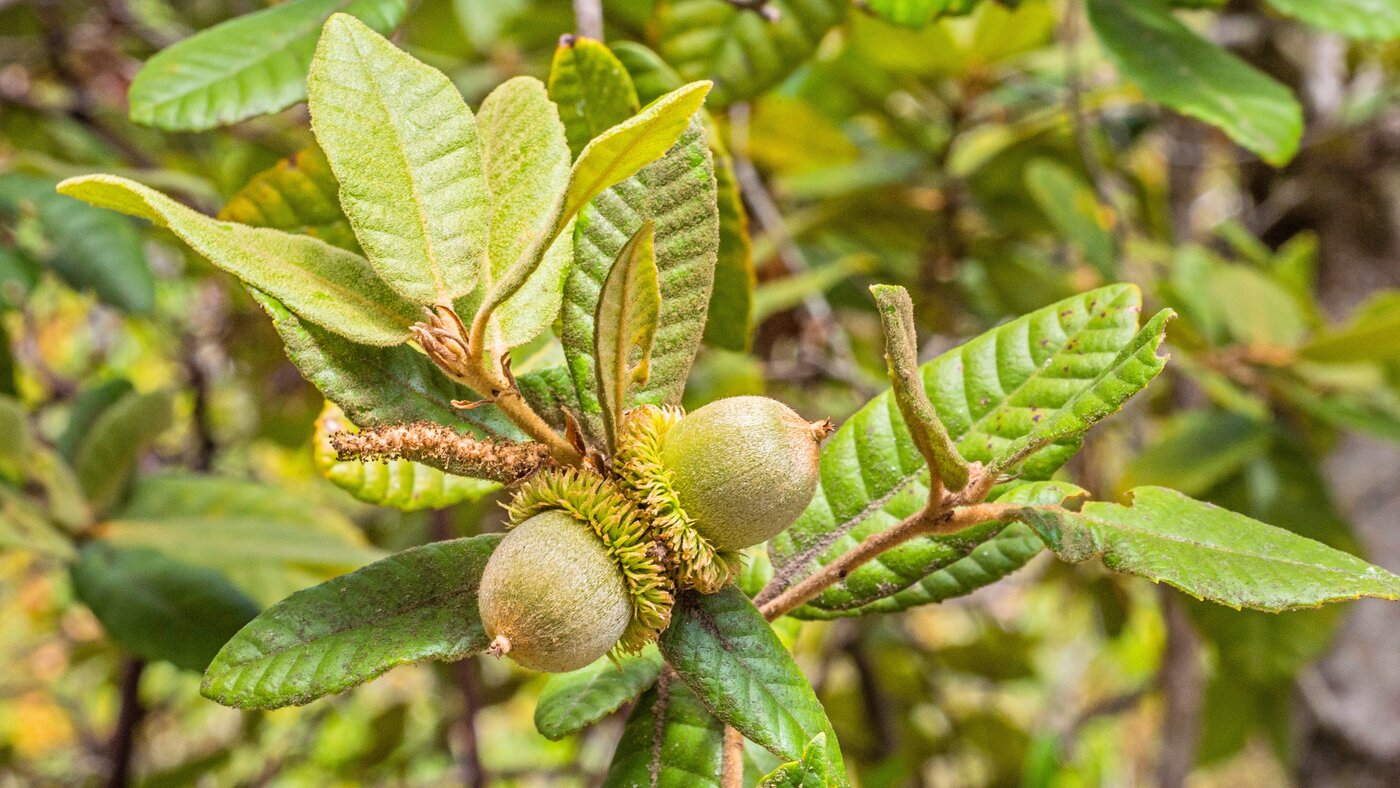
Treemasters is helping Marin County property owners learn to recognize dark, bleeding trunk cankers — often the earliest visible signs of sudden oak death. Detecting sudden oak death early is critical for stopping the disease before it can spread across a landscape and cause broader problems.. As the pathogen continues spreading across the region, recognizing those early symptoms has become increasingly important for preserving tree health. Through professional tree assessments and ongoing plant healthcare, the Marin County tree care provider helps property owners recognize early signs of infection before management options become limited.
Treemasters encourages Marin County property owners to inspect the trunk before the canopy when checking oak trees for sudden oak death. Dark, bleeding cankers often appear on the trunk while leaves and branches still show little evidence of decline, making them one of the earliest visible signs of infection. Detecting those changes early allows arborists to examine the tree before disease progression becomes more extensive.
Rather than relying on canopy decline alone, Treemasters begins every sudden oak death assessment with a close examination of the trunk. Once a dark, bleeding canker is identified, arborists compare it with the condition of the trunk, canopy, and surrounding environment to determine whether additional signs point toward possible infection. Evaluating those observations together helps distinguish suspected sudden oak death from other conditions that may produce similar bark damage.

Detecting a bleeding trunk canker has the greatest value while infection remains in its earliest stages. As sudden oak death progresses, tree health becomes increasingly difficult to manage. Earlier evaluation therefore provides a broader range of management decisions and a better chance to stop the disease from spreading to other trees..
“People naturally look for dying branches because they’re easy to see, but sudden oak death often tells its story much earlier,” a company spokesperson said. “We’ve found that shifting attention to the trunk changes when important conversations begin. Earlier recognition doesn’t change what the disease is, but it often changes how much time remains to evaluate the tree before visible decline becomes the focus.”
What Should Property Owners Do After Finding a Bleeding Canker?
Finding a dark, bleeding canker should prompt further evaluation rather than immediate conclusions that a tree has sudden oak death. Similar bark damage may result from other diseases, environmental stress, or physical injury, making the condition of the entire tree just as important as the appearance of the lesion itself.
Professional evaluation looks beyond the canker by comparing visible bark damage with the condition of the trunk, canopy, and surrounding site. That broader assessment helps determine whether the observed symptoms are consistent with disease progression and supports recommendations for tree healthcare, ongoing Plant Healthcare, or additional tree service when appropriate.
Key Features and Facts
Service Area: Marin County, including San Rafael, Novato, Mill Valley, and surrounding communities
Specializations: Sudden oak death assessment, tree health evaluation, preventive Plant Healthcare
Expertise: Professional arborists experienced in disease assessment, tree health evaluation, and horticultural management
Accessibility: Online consultation options and on-site evaluations throughout the Marin County service area
Recognizing Sudden Oak Death: Looking Beyond the First Visible Symptom
Dark, bleeding cankers remain one of the earliest visible warning signs of sudden oak death, but they should be considered alongside thinning foliage, branch dieback, reduced vigor, and surrounding site conditions. Looking at those factors together provides a clearer picture of overall tree health than relying on any single symptom alone.
Frequently Asked Questions
Q: What exactly should I look for when inspecting my oak trees for sudden oak death?
A: Begin by examining the trunk for dark, bleeding cankers. Those lesions may release reddish-brown fluid and often appear before widespread canopy decline or branch dieback develops.
Q: Can trees recover from sudden oak death once infected?
A: Management depends on the stage of infection, the affected tree species, and overall tree condition. Early evaluation provides the best opportunity to determine appropriate management strategies.
Q: How often should I have my oak trees inspected?
A: Annual inspections during the growing season are recommended, while routine observation between professional visits helps identify changes as they develop.
Q: What areas does Treemasters serve?
A: Treemasters serves San Rafael and surrounding Marin County communities, including Novato, Mill Valley, and neighboring areas. Property owners throughout the region may request both on-site evaluations and online consultation.
Q: How can I schedule an assessment for my property?
A: Property owners may request an assessment through Treemasters at https://treemasters.com/ or by using the contact information below.
To learn more about sudden oak death identification, professional tree assessments, and Plant Healthcare services throughout Marin County, visit https://treemasters.com/.
About Treemasters
Treemasters supports the long-term care of trees across Marin County through professional arboriculture, site-specific management, and ongoing tree preservation. Working with residential, commercial, and public properties, the arboriculture practice approaches every project with careful attention to site conditions, public safety, and the long-term resilience of each landscape.
###
Media Contact
Treemasters
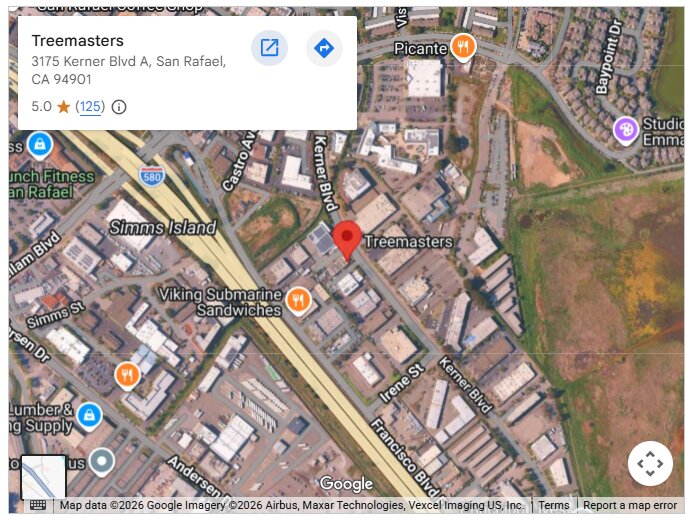
Address: 3175 Kerner Boulevard, Suite A, San Rafael, CA 94901
Phone: (415) 455-9933
Website: https://treemasters.com/contact/
Email: marketing@treecare.partners
Facebook: www.facebook.com/treemasters3175
X/Twitter: twitter.com/Treemasters
Yelp: www.yelp.com/biz/treemasters-san-rafael