
Chronic Absenteeism Rate High Among California’s Youngest Students
Data reveals that approximately 24% of California's youngest students, including those in Transitional Kindergarten and kindergarten, were chronically absent during the 2024-25 school year, a rate higher than the overall student population. This trend, defined as missing 10% or more…

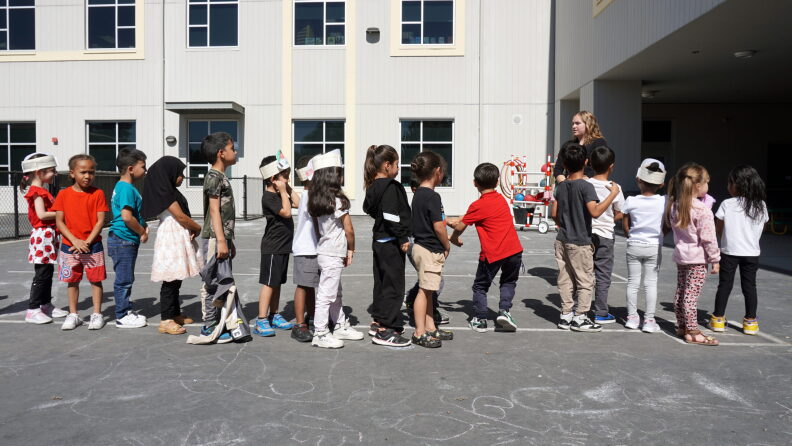
 Los Angeles, CA, September 24, 2026 —
New data indicates a concerning trend of chronic absenteeism among California’s youngest learners, with approximately 24% of students in Transitional Kindergarten (TK) and kindergarten missing 10% or more of their school days during the 2024-25 academic year. This rate exceeds that of the general student population, according to recent revelations.
Chronic absenteeism is defined as a student missing 10% or more of instructional days for any reason, whether excused or unexcused. Experts express significant concern over this pattern, particularly among the state’s youngest students, as it can lead to substantial negative impacts on their academic development and long-term educational outcomes.
While the summary highlights the existence of efforts by some school districts to address this issue through family education and early intervention strategies, specific details regarding the names of these districts, the scope of their programs, or the outcomes of these interventions were not provided. The exact percentage of the overall student population that was chronically absent was also not specified, only that the rate for TK and kindergarten students was higher.
The long-term consequences of missing crucial early learning experiences can include difficulties with foundational literacy and numeracy skills, reduced engagement with school, and a higher likelihood of falling behind academically. This trend underscores a significant challenge facing educators and policymakers in California as they seek to ensure all students have consistent access to education during their formative school years. The specific reasons contributing to this elevated absence rate among the youngest students were not detailed in the provided data.
Story summarized from the original created by EdSource on laist.com, see more information here.
Media gallery


