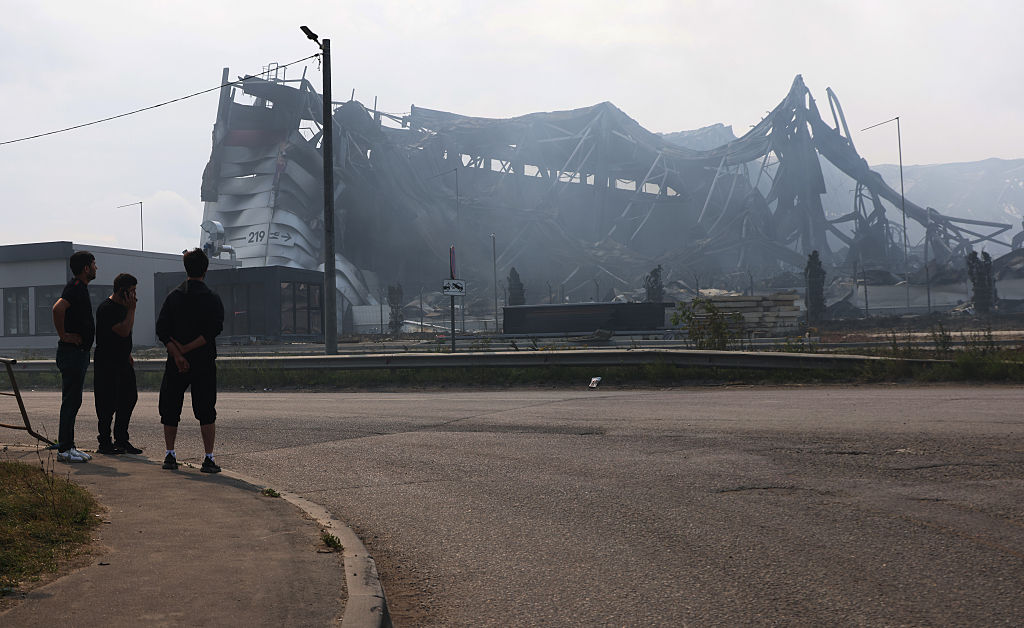
Questions Arise Over Long Beach Beach Closures Following Lineage Fire Runoff
Following the Lineage fire, toxic runoff flowed into the LA River, prompting questions about why Long Beach did not close its beaches.


 Los Angeles, CA, August 17, 2026 —
Following the Lineage fire, concerns have been raised regarding the presence of toxic runoff in the Los Angeles River and the subsequent decision not to close Long Beach’s beaches. The fire, which occurred at the Exide Technologies site in an industrial area of Los Angeles, resulted in significant amounts of hazardous materials entering storm drains that lead to the LA River.
The Los Angeles River is a major waterway that flows through Southern California, eventually reaching the Pacific Ocean. During heavy rainfall or when significant contamination events occur, runoff can carry pollutants into the river and subsequently into coastal waters. The Lineage fire, characterized by the release of toxic smoke and the potential for hazardous materials to be washed into waterways, created a situation that typically warrants public health advisories or beach closures to prevent exposure to harmful substances.
However, despite the flow of potentially toxic runoff into the LA River system, Long Beach officials did not opt to close its beaches. This decision has prompted questions from the public and environmental advocates about the protocols in place for assessing water quality and public safety in the aftermath of such industrial incidents. The specific contaminants present in the runoff and their potential impact on marine life and human health at the beaches remain a subject of scrutiny.
Information regarding the specific toxic substances identified in the runoff, the exact volume that entered the LA River, and the timeline of their dispersal has not been fully detailed. Furthermore, the criteria used by city and county health officials to determine whether beach closures were necessary in this instance have been called into question. While some beaches may have been impacted by runoff from the fire, the decision-making process leading to the absence of closures in Long Beach is a key point of interest for those concerned about environmental protection and public health.
Officials have not yet provided a comprehensive statement detailing the risk assessment process or the specific water quality tests conducted, if any, that informed the decision to keep the beaches open. The lack of closure raises important questions about the balance between public access and environmental safety when industrial accidents lead to waterway contamination.
Story summarized from the original created by Google News on news.google.com, see more information here.