
U.S. Education Department Releases Civil Rights Data Amidst Delays and Data Gaps
The U.S. Education Department has released the 2023-24 Civil Rights Data Collection (CRDC) for nearly all public schools nationwide, revealing student disparities. However, the data release was delayed and notably omits information on nonbinary students, citing a Trump-era executive order.…

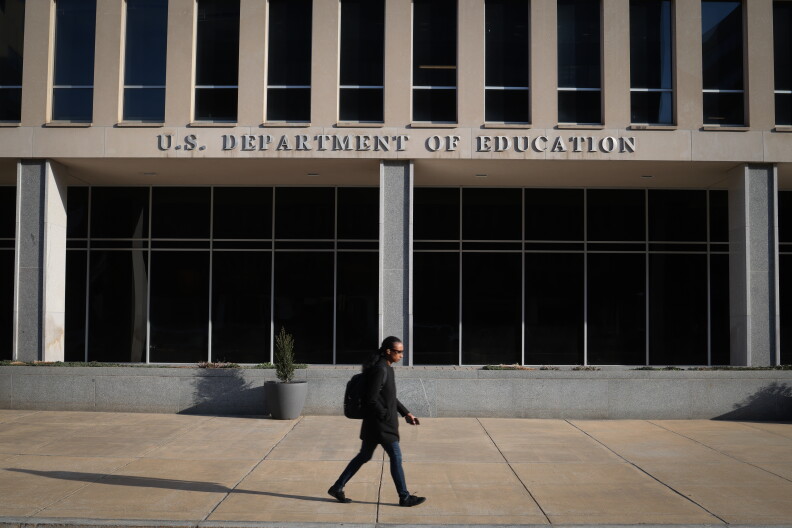
 Los Angeles, CA, September 4, 2026 — The U.S. Department of Education has issued its 2023-24 Civil Rights Data Collection (CRDC), encompassing data from public schools across the nation. This extensive dataset aims to highlight disparities among students.
The release of the CRDC data for the 2023-24 school year, intended to provide insights into civil rights issues within public education, was met with observations regarding its timing and content. The department confirmed that the data collection process experienced a delay.
A significant point of concern raised is the omission of data pertaining to nonbinary students. According to the department, this exclusion is a direct result of a Trump-era executive order. The specific details of this executive order and its direct mandate for the exclusion of nonbinary student data were not further elaborated upon in the provided information.
Furthermore, the department has discontinued the practice of releasing an accessible “First Look Report” format. This report typically served as a user-friendly summary of key findings from the raw CRDC data, making it easier for the public, researchers, and advocates to understand the trends and statistics. The elimination of this format means that the raw data will now be the primary means of analysis, a change that is expected to make the information less accessible and harder for the general public to interpret.
The CRDC is a comprehensive survey administered by the U.S. Department of Education’s Office for Civil Rights. It collects data on key educational and civil rights indicators from public schools. This data is used to inform policy, identify potential areas of concern, and monitor compliance with civil rights laws. The reported student disparities indicated by the 2023-24 collection are expected to be a focus for analysis now that the raw data has been made available.
The specific nature of the student disparities revealed by the data, as well as the full scope of information now available for public analysis, will require further examination of the extensive raw data files released by the department. The contractor responsible for data collection and the timeline for the next steps in data review were not detailed.
Story summarized from the original created by Jonaki Mehta | NPR on laist.com, see more information here.
Media gallery


